
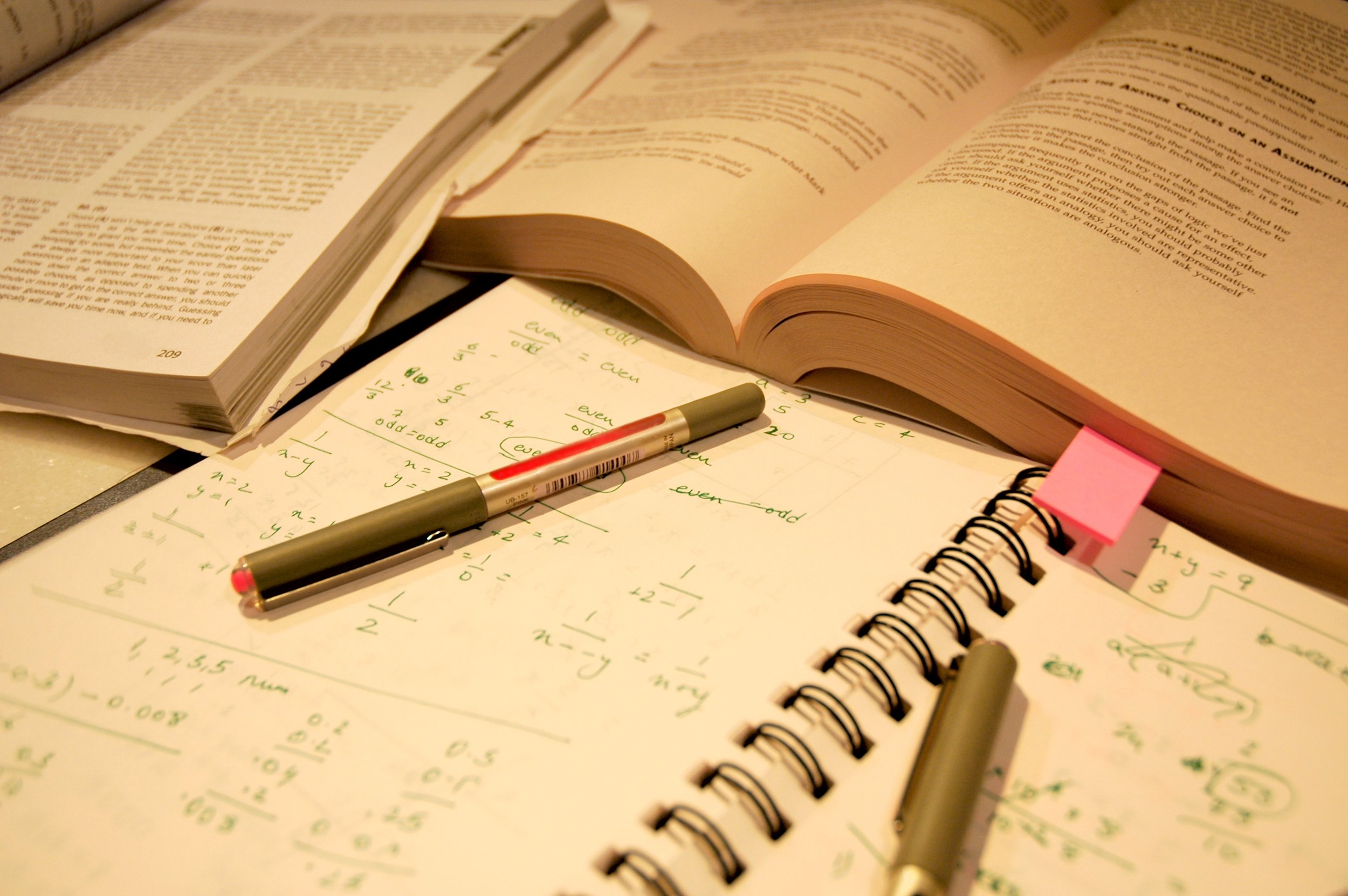
Study planning helps you break huge textbooks into small, easy daily tasks so you do not freeze up on exam week. When you know what to read each morning, you waste less time looking at your desk in fear. You get more sleep and feel ready for test day.
The best way to study is to map out your weeks long before the test arrives. Split your main topic into tiny pieces, put those pieces on a calendar, and test your memory every few days. This quiet routine turns a big scary test into a list of quick, simple jobs.
Why Most Students Fail at Exam Prep
Most people wait until three days before an exam to open their books. They sit down with a bright yellow pen, read five chapters in one night, and highlight every single sentence. It feels like real work, but your brain forgets almost all of it by the next morning.
Your brain is like a muscle at the gym. It cannot lift a huge weight for twelve hours in a row without breaking down. If you read for six hours straight, your mind gets tired after forty minutes. The rest of that time is just eyes moving across paper while your mind wanders off to think about dinner.
Another big mistake is keeping all your school dates in your head. You think you will remember that quiz next Tuesday, but then two life events happen at once. Suddenly, you have three pages of homework, a clean-up chore at home, and a math test on the exact same morning. A simple paper plan stops these bad surprises before they ruin your week.

How to Set Up Your First Simple Study Schedule
Grab a blank paper page or print a simple page from BrightPrintableHub to see your whole month at a glance. Count how many days you have until your test date. If your test is twenty days away, you have plenty of time to work without stress.
Next, list every single lesson topic on a scrap piece of paper. Do not write broad ideas like history class. Write small, clear facts like history chapter three dates or math rule four. Small goals are easy to start, and starting is the hardest part of any afternoon.
Now, place one small topic on each study day. Give yourself two full days off every week so you do not burn out. A simple week plan might look like this clear schedule:
- Monday: Read five pages of history and write three summary notes.
- Tuesday: Solve ten practice math problems on paper.
- Wednesday: Talk out loud about science facts for fifteen minutes.
- Thursday: Review all wrong answers from Tuesday.
- Friday: Flashcard quiz on hard word definitions.
- Saturday: Full rest day with no school books.
- Sunday: Plan the upcoming week and organize your notes.
Use Active Recall to Remember Facts Faster
Reading your class notes over and over is a weak way to learn. It makes your brain lazy because the words are right there in front of your eyes. You think you know the answer, but you only recognize the visual look of the text.
Active recall means closing the book and forcing your mind to pull the facts out from memory. Hide your paper sheet with your hand and ask yourself a question. Try to say the full answer out loud before you look. If you get it right, put a small check mark on the corner of the page.
You can also create quick practice tests for yourself. Write ten questions on the front of small paper cards and put the correct answers on the back. Quiz yourself while you wait for the school bus or stand in line at the shop. This quick game builds strong memory paths fast.
If you are also taking high school or college classes, combining this method with How to Use Academic Calendars for Better Grades can turn your term marks around completely. Matching your weekly study goals with your main school dates keeps you two steps ahead of your teachers.
How Can You Stick to Your Study Schedule When You Feel Lazy?
We all have days where we just want to play video games or watch videos on our phones. Motivation comes and goes, so you cannot rely on it every day. You need a simple trick to start moving when your mind feels slow.
Try the five-minute rule. Tell yourself that you only have to work for five short minutes. Set a loud timer on your kitchen counter or your desk clock. Tell your mind that if you still hate the work after five minutes, you can stop and walk away without feeling bad.
Most of the time, the hardest part is just opening the book. Once you read the first three lines and hold your pencil, your brain gets busy. You will usually finish the whole twenty-minute block without stopping. If you are still deeply tired after five minutes, your body probably needs a real break or a glass of water.
You should also clean your study desk before you start. Put your phone in a drawer in another room. Remove visual mess like old cups, dirty clothes, and random papers. A clear, empty desk helps your eyes focus on the single piece of paper in front of you.
Track Your Growth and Celebrate Small Successes
It is hard to work day after day when the big test is weeks away. You need to see that you are making real steps forward every afternoon. Tracking your small wins gives your brain a nice boost of happy energy.
Draw a basic habit box on your study page for each day of the month. Every time you complete your planned daily review, draw a bold color cross in that day's box. Try your best not to break the long chain of marks across your sheet.
Give yourself small rewards when you finish a hard week of study. Watch your favorite movie on Friday night, go for a long walk in the park, or buy a nice snack. These simple rewards teach your mind that hard work brings good things into your day.
Keep your old study sheets in a neat folder on your shelf. On days when you feel silly or slow, open the folder and look at the dozens of filled check boxes from past weeks. Seeing your own real progress reminds you that you are ready to tackle any hard test on your calendar.
Simple Habits for Peak Test Performance
Your mind works best when your body feels good. You cannot do well on a big test if you drink sugary soda all night and sleep for three short hours. Great exam results depend on basic physical health just as much as good study planning.
Try to sleep for eight hours before test day. Sleep is the quiet time when your brain organizes all the facts you read during the day and stores them in long memory. Skipping sleep to read one extra page usually hurts your total score instead of helping it.
Drink plenty of fresh water while you review your notes. Your brain needs water to stay fast and clear. Keep a clear bottle on your table and take a small sip every time you turn a paper page.
Taking short walks also helps your memory settle down. After studying for forty minutes, step outside for five minutes of clean air. Do not look at your phone screen during this break. Let your eyes look at trees or the sky so your mind gets a true rest before your next focus block.
With a clean paper plan, short active sessions, and good sleep, you do not have to fear exam day anymore. You will walk into that test room knowing you did the work step by step.